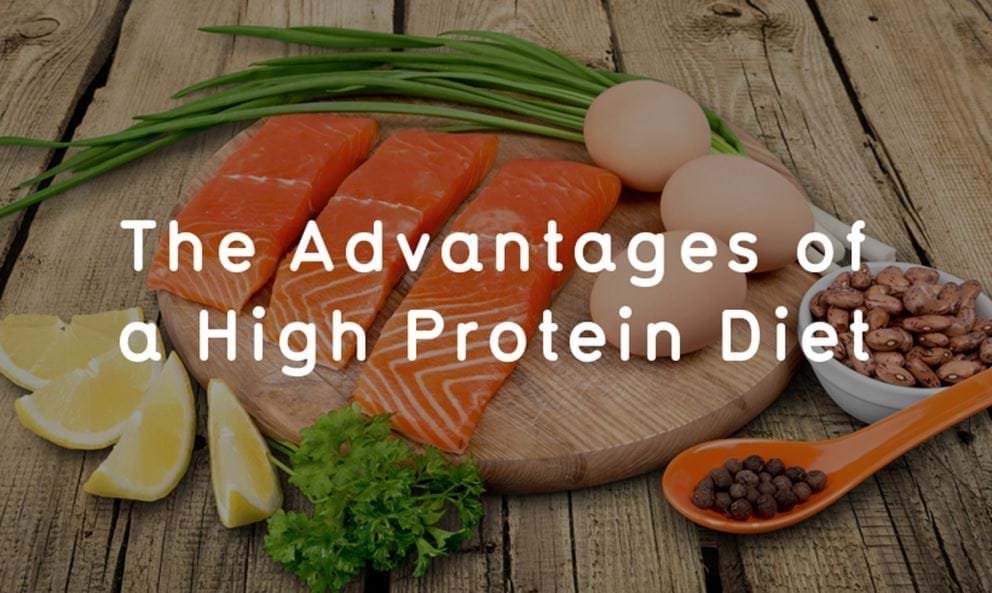
Top 10 Protein-Rich Foods to Power Your Workouts
Incorporating protein-rich foods into your diet is essential for powering your workouts and aiding muscle recovery. Here are the top 10 protein-rich foods that can help you achieve your fitness goals:
- Chicken breast - A lean source of protein that's versatile and easy to prepare.
- Eggs - Packed with high-quality protein and essential nutrients.
- Salmon - Rich in protein and omega-3 fatty acids, it's perfect for muscle recovery.
- Greek yogurt - A dairy option that offers up to twice the protein of regular yogurt.
- Quinoa - A gluten-free grain containing all nine essential amino acids.
- Lentils - A great plant-based protein source that's also rich in fiber.
- Chickpeas - High in protein and perfect for salads or hummus.
- Tofu - A versatile soy product that's loaded with protein and can absorb flavors well.
- Cottage cheese - Low in fat and high in protein, it's great for a post-workout snack.
- Pumpkin seeds - A nutritious snack that is high in protein and healthy fats.
Adding these protein-rich foods to your meals not only enhances your workout performance but also supports your overall health. Aim to include a combination of these foods in your diet for optimal results!
How to Build the Perfect Protein-Packed Meal
Building the perfect protein-packed meal starts with understanding the essential components that contribute to a balanced diet. Begin by incorporating a variety of high-quality protein sources, such as lean meats, fish, dairy, legumes, and nuts. Aim for at least 20-30 grams of protein per meal to support muscle repair and growth. Keep in mind that protein should be complemented with healthy fats and carbohydrates for optimal energy levels. For instance, add whole grains like quinoa or brown rice, which provide essential nutrients and fibers.
To elevate your protein-packed meal, consider these key tips:
- Incorporate color: Add a mix of colorful vegetables to increase nutritional value.
- Experiment with recipes: Try different cooking techniques to keep your meals interesting.
- Plan ahead: Meal prep can save time and ensure you’re getting the right amount of protein daily.
Debunking Common Protein Myths: What You Really Need to Know
Protein is an essential nutrient that plays a crucial role in building and repairing tissues, but many misconceptions surround its consumption. One common myth is that only bodybuilders or athletes need to pay attention to their protein intake. In reality, everyone requires a certain amount of protein daily, regardless of their activity level. According to the Healthline, the recommended dietary allowance (RDA) for protein is about 46 grams for women and 56 grams for men. This means that whether you are sedentary or highly active, ensuring you get adequate protein can help maintain muscle mass and overall health.
Another misleading notion is that consuming too much protein can harm your kidneys, especially for those without pre-existing kidney conditions. However, a review published in the National Institutes of Health found no significant evidence to support this claim for healthy individuals. In fact, a balanced intake of protein from various sources, including plant-based options, can provide essential amino acids without adverse effects. So, rather than cutting protein from your diet, focus on achieving a balanced macronutrient ratio that suits your lifestyle and health goals.